The Dream To You final episodes provide a deeply emotional and satisfying conclusion to the beloved K-drama that captivated audiences with its blend of innocent teenage romance and intense family drama. As the series wraps up with episodes 11 and 12, viewers are treated to moments that are as heartwarming as they are tear-jerking, showcasing character growth, redemption, and the triumph of love and resilience. This article breaks down the most memorable scenes from the finale that made fans laugh, cry, and reflect.
Key Takeaways
- Ahn Soo Hee’s protective act marks a rare moment of kindness in Woo Soo Bin’s troubled family saga.
- The adoptive mother’s courage to confront abuse provides a hopeful resolution for Woo Soo Bin’s family dynamic.
- Dream To You final episodes balance dramatic twists with heartfelt moments, delivering a well-crafted happy ending.
- The series highlights themes of forgiveness, family healing, and self-empowerment in its closing chapters.
- Character arcs conclude on a note that emphasizes personal growth and emotional closure.
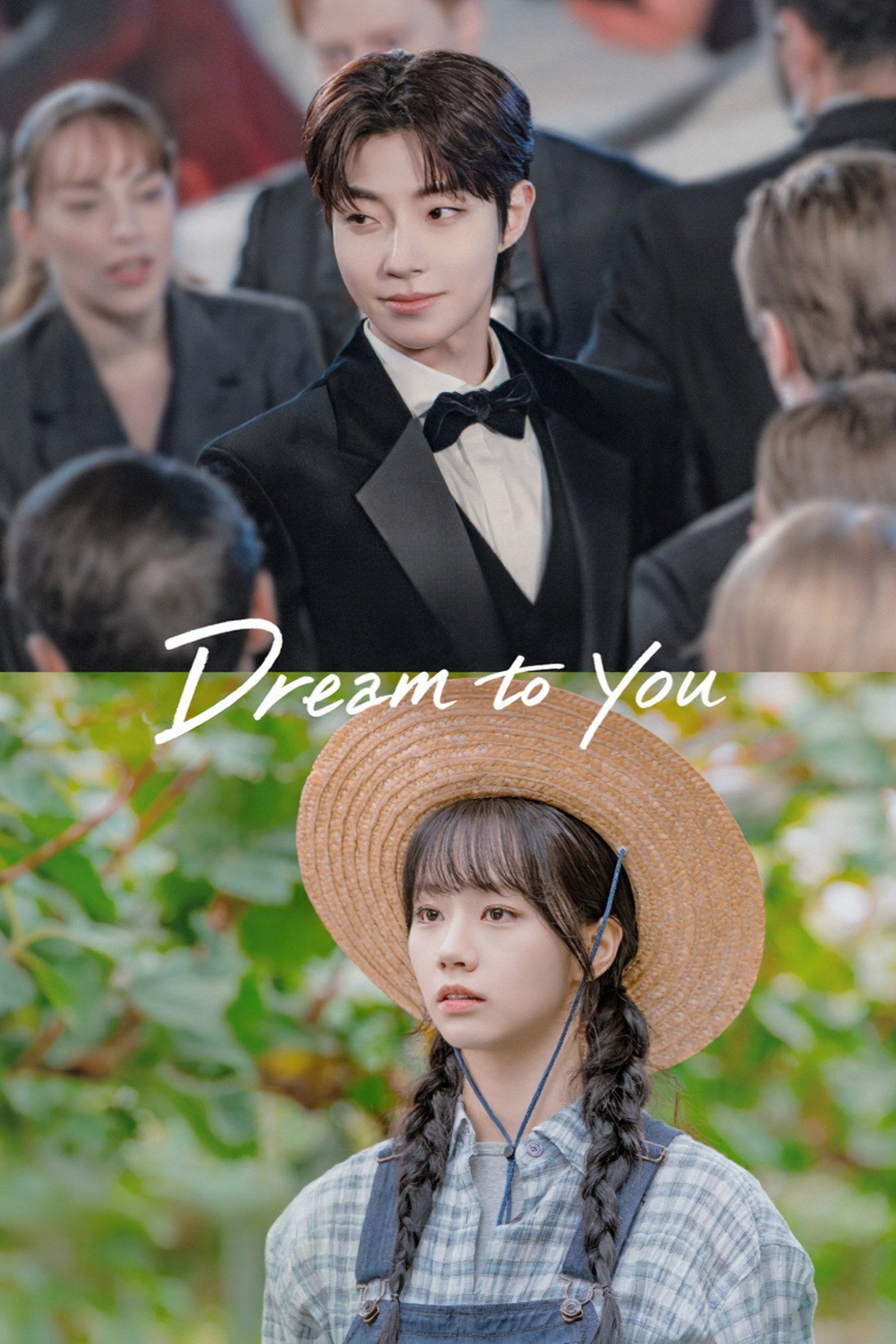
Unpacking the Emotional Climax of Dream To You Final Episodes
Ahn Soo Hee’s Unexpected Protection of Woo Soo Bin
One of the most striking moments in the Dream To You final episodes is the transformation of Ahn Soo Hee, Woo Soo Bin’s biological mother. Throughout the series, Soo Bin’s relationship with his parents is fraught with pain and abandonment. However, in a surprising turn, Soo Hee steps down from a major project to safeguard Soo Bin’s career as a director, without fully reconciling or expressing regret in a traditional sense. This act, while subtle, signals a complex form of redemption and suggests that love and responsibility can manifest in imperfect but meaningful ways.
The Power of the Adoptive Mother’s Stand
In stark contrast to Soo Hee, Woo Soo Bin’s adoptive mother emerges as a pillar of strength in the finale. Her confrontation with Soo Bin’s abusive father culminates in her serving divorce papers, a powerful moment that frees her from years of torment. This act does not just liberate her but also provides Soo Bin with a sense of peace and stability he desperately needed. The dynamic underscores the theme of chosen family and the courage it takes to break cycles of abuse.
Balancing Dramatic Twists with Heartfelt Closure
The Dream To You final episodes excel at weaving together the series’ characteristic dramatic twists with emotional resonance. The narrative does not shy away from the realities of dysfunctional family relationships yet offers hope and healing. The juxtaposition of harsh truths and gentle reconciliations creates a nuanced finale that respects the characters’ journeys and the audience’s emotional investment.
Original Analysis: What the Dream To You Final Episodes Signal for K-Drama Storytelling
Breaking the Mold of Traditional Family Dramas
Compared to many K-dramas that often resolve family conflicts with sudden, overly sentimental reconciliations, Dream To You final episodes take a more realistic approach. The lack of a full reconciliation between Soo Bin and his biological mother, for example, reflects a mature understanding that not all wounds heal completely. Instead, the show opts for actions that signify progress and protection rather than forced forgiveness, which is a refreshing narrative choice in the genre.
Empowering Female Characters Through Agency
The adoptive mother’s decision to confront abuse head-on and reclaim her life is emblematic of a growing trend in K-drama storytelling where female characters are portrayed with greater agency. This reflects a shift from passive victims to empowered individuals, resonating with contemporary audiences seeking more nuanced portrayals of women’s struggles and triumphs.
Setting a New Standard for Happy Endings
While many dramas opt for neat, sometimes unrealistic happy endings, Dream To You final episodes strike a balance between hope and authenticity. The male lead’s ultimate attainment of a family that offers safety and happiness, even if imperfect, suggests that the notion of family is evolving in K-dramas to embrace complexity and emotional truth.
Additional Emotional Highlights in the Dream To You Finale
Ju Yi Jae and Woo Soo Bin’s Relationship Growth
The innocent teenage love story that began the series finds its resolution in the final episodes, with Ju Yi Jae and Woo Soo Bin’s relationship maturing alongside the personal challenges they face. Their bond provides emotional grounding, reminding viewers of the enduring power of youthful love amidst adversity.
The Role of Career and Dreams in Personal Healing
The emphasis on Woo Soo Bin’s role as a director symbolizes his journey toward self-fulfillment and healing. The support from his mother’s protective move in the industry highlights how professional success can intertwine with personal growth, a common but well-executed theme in K-dramas.
Where to Watch and Learn More
For those interested in a deeper dive into the Dream To You final episodes, detailed recaps and analysis are available on Soompi, providing comprehensive coverage of the emotional beats and plot developments: related article.
Also, if you are a fan of K-drama emotional storytelling, check out our internal post on Top 9 K-Dramas Romantic Kiss Scenes That Will Melt Your Heart for more heart-fluttering moments from recent dramas.
How the Dream To You Final Episodes Reflect the Show’s Growth in Narrative Complexity
Compared to the earlier episodes, the Dream To You final episodes demonstrate a significant evolution in storytelling. The series began with a straightforward, sweet teenage romance but gradually layered in darker themes of family trauma and personal redemption. This shift is most evident in the complex portrayal of Woo Soo Bin’s family dynamics, which adds emotional depth beyond a typical love story.
This progression suggests the writers intended to challenge viewers’ expectations, moving from lighthearted romance to nuanced drama. The mother’s ambiguous redemption and the adoptive mother’s empowerment mark a maturity in character arcs that wasn’t as pronounced earlier. This complexity enriches the finale, making it resonate more profoundly than a simple happy ending might have.
Ultimately, the Dream To You final episodes encapsulate the show’s journey from innocence to emotional realism, reflecting a broader trend in K-dramas of blending romance with heavier social issues. This narrative growth not only satisfies viewers seeking more than just romance but also sets a precedent for the series’ legacy in the genre.
What the Dream To You Final Episodes Indicate About Future K-Drama Storytelling Trends
The Dream To You final episodes highlight a growing appetite for stories that intertwine romance with complex family and social themes. Unlike earlier K-dramas that often kept love stories and family conflicts separate, this drama integrates them seamlessly, showing how personal relationships are shaped by past trauma and unresolved issues.
This approach likely points toward future K-drama narratives that prioritize character development and emotional authenticity over formulaic plots. By portraying flawed characters who grow through hardship—like Woo Soo Bin’s mother stepping back without full reconciliation—the show embraces ambiguity rather than neat resolutions. This trend towards realism may deepen audience engagement in upcoming series.
Moreover, the empowerment of secondary characters, such as the adoptive mother’s liberation from abuse, indicates an increasing focus on diverse perspectives within romantic dramas. As such, the Dream To You final episodes may serve as a blueprint for more layered storytelling that balances romance with potent social commentary.
Comparing Dream To You’s Finale to Peer K-Dramas: A Unique Balance of Bittersweet and Hopeful
When stacked against peer K-dramas with similar themes, the Dream To You final episodes stand out for their balanced tone. Many shows opt for either a fully optimistic conclusion or a tragic ending, but Dream To You navigates a bittersweet middle ground that feels both honest and hopeful. This nuanced ending is less common in the genre and adds a refreshing complexity.
For example, compared to dramas like “Navillera” or “My Liberation Notes,” which also explore familial and personal struggles, Dream To You places more emphasis on healing through imperfect relationships rather than complete closure. The mother’s partial redemption and the adoptive mother’s assertiveness create a realistic depiction of growth that acknowledges pain without erasing it.
This balance enhances the emotional impact of the Dream To You final episodes, setting the show apart from contemporaries. It suggests a willingness within the industry to embrace endings that reflect life’s messiness, potentially influencing how future K-dramas resolve their narratives.
Conclusion: Dream To You Final Episodes as a Milestone in K-Drama Emotion and Realism
The Dream To You final episodes stand out as a poignant finale that expertly balances emotional depth with realistic storytelling. By avoiding clichéd resolutions and instead presenting complex character decisions and growth, the drama offers a satisfying yet thoughtful conclusion. The final episodes affirm the series’ legacy as a K-drama that respects its audience’s intelligence and emotional investment, making it a memorable watch for fans of heartfelt narratives and intricate family dramas.
In sum, Dream To You closes its story on a note that is both hopeful and honest, showcasing the power of love, resilience, and the courage to redefine family on one’s own terms.