Ha Young agency statement has become a focal point for fans and observers following recent controversy about her family history. The actress’s mention of her great-grandfather’s legacy on a popular variety show sparked intense public scrutiny regarding his alleged connections during the Japanese colonial period. This article dives deep into the unfolding situation, the agency’s responses, and what this means for Ha Young’s career moving forward.
Key Takeaways
- Ha Young’s agency initially denied allegations about her great-grandfather’s pro-Japanese activities.
- They later apologized for making premature statements without thorough verification.
- The controversy centers around Ahn Sang Ho, Ha Young’s great-grandfather, linked to a pro-Japanese group in 1916.
- Ha Young expressed personal regret over the unintentional controversy arising from her family history revelation.
- The agency acknowledges the importance of careful verification when discussing historical matters publicly.
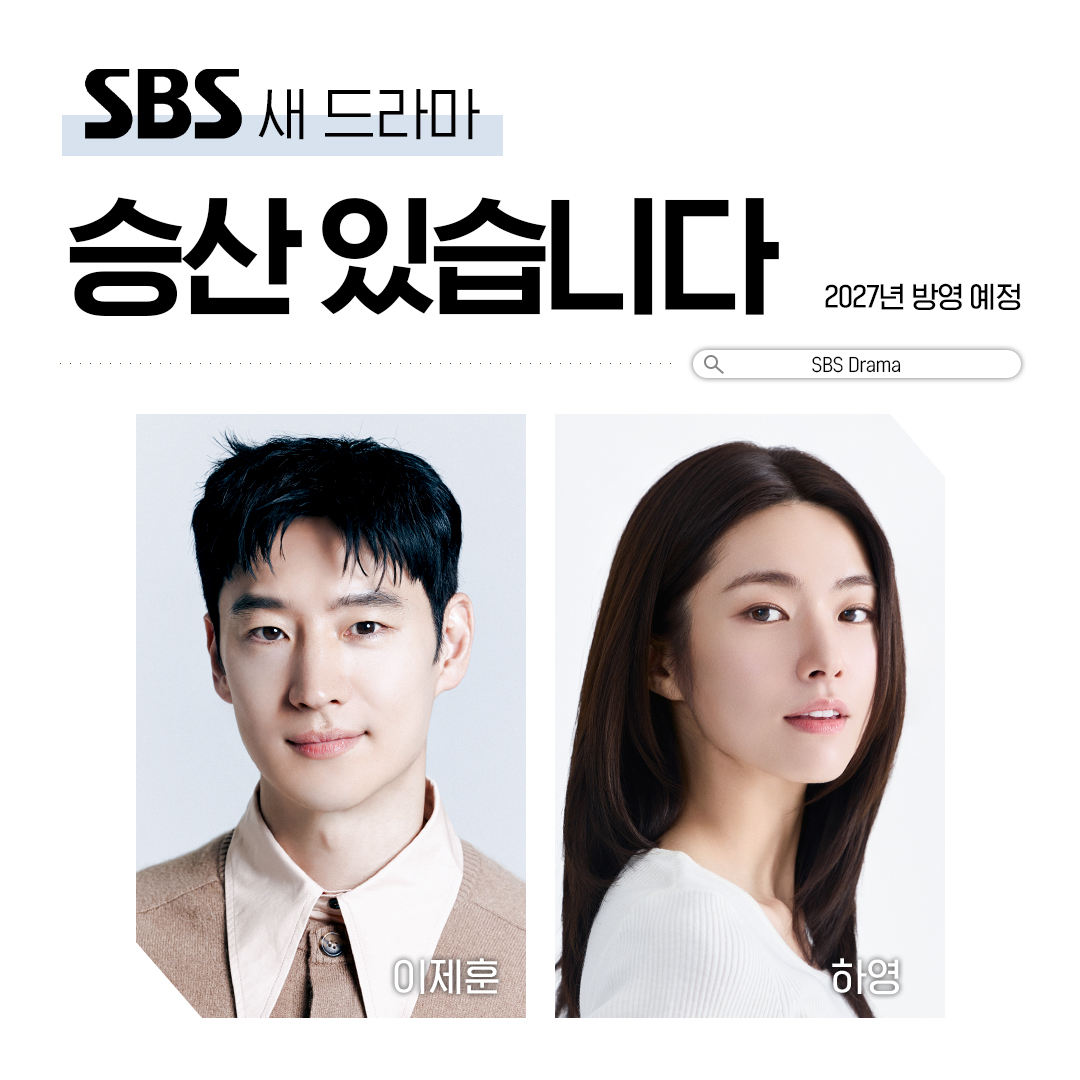
Understanding the Ha Young Agency Statement and Its Context
The Ha Young agency statement came in the wake of a sensitive and complex controversy involving Ha Young’s family background. The actress, known for her candid and relatable presence on shows like KBS2’s “Problem Child in House,” mentioned her family’s medical legacy spanning four generations. Her great-grandfather, Ahn Sang Ho, was introduced as a pioneering doctor who studied in Japan and treated Emperor Gojong.
However, this proud heritage was shadowed by revelations that Ahn Sang Ho was listed as a council member of the Daejeong Chinmokhoe, a pro-Japanese organization during Korea’s colonial era. This discovery ignited heated online debate and speculation about Ha Young’s family history and its implications.
Initial Denial and Subsequent Apology
In response to the controversy, BISTUS Entertainment, Ha Young’s agency, initially issued a statement categorically denying the allegations as “groundless.” This firm stance aimed to protect the actress’s reputation and clarify misinformation circulating online.
Yet, as more historical records surfaced confirming Ahn Sang Ho’s involvement with the Daejeong Chinmokhoe, the agency retracted its earlier dismissal. On August 11, 2026, they released a heartfelt apology acknowledging the hasty response and lack of thorough verification before labeling the reports unfounded.
This shift highlights the challenges agencies face when navigating historical controversies, especially those tied to sensitive periods like the Japanese occupation of Korea.
Ha Young’s Personal Response and Public Sentiment
Ha Young herself expressed feeling “very heavy-hearted” over the unintended controversy stemming from her family’s history. Her honest sharing on the variety show was meant to highlight a proud lineage in medicine, not to stir discord.
Fans have shown mixed reactions—some sympathize with her position and the complexity of historical context, while others grapple with the implications of her family’s past affiliations.
This incident underscores how personal histories of public figures can become flashpoints for broader social and historical debates in Korea.
Why the Ha Young Agency Statement Matters to Fans and the Industry
The Ha Young agency statement is significant not only for addressing the controversy but also for setting a precedent on how entertainment companies handle sensitive historical subjects linked to their artists.
In a society where history remains deeply impactful, agencies must balance transparency, respect for the past, and protection of their talent’s image.
Implications for Ha Young’s Career
While no official repercussions have been announced, controversies like this can affect public perception and casting opportunities. Ha Young’s sincerity and her agency’s eventual transparency could mitigate long-term damage.
Fans and industry watchers will be closely observing how Ha Young navigates this challenge, especially with her increasing visibility on variety and drama projects.
Lessons for Other Artists and Agencies
This case serves as a reminder of the importance of thorough research and cautious communication regarding historical matters. Agencies may now implement stricter verification protocols to avoid similar situations.
It also calls attention to how historical legacies influence modern celebrity culture in Korea and beyond.
Exploring the Historical Context Behind the Controversy
The controversy revolves around Ahn Sang Ho’s membership in the Daejeong Chinmokhoe, a pro-Japanese council active during the colonial period. Understanding this context is crucial for fans trying to grasp the gravity of the issue.
During Japanese rule from 1910 to 1945, Korea experienced immense suffering and resistance. Associations with pro-Japanese groups are viewed negatively due to perceived collaboration with colonial oppressors.
While Ahn Sang Ho’s medical contributions are notable, his political affiliations complicate his legacy and, by extension, Ha Young’s public image.
The Fine Line Between Legacy and Controversy
Ha Young’s family medical legacy spanning four generations is a source of pride, reflecting dedication and service in healthcare. Yet, historical scrutiny reveals the complexity of individual lives shaped by turbulent eras.
This duality challenges fans and media to separate personal achievements from politically sensitive histories.
Comparing Ha Young’s Situation to Other K-Entertainment Historical Controversies
Ha Young’s case is not isolated. Korean entertainment has seen several instances where past family histories or statements by artists have sparked debates. How agencies respond influences public trust and the artist’s career trajectory.
For example, other stars have faced backlash over family members’ controversial pasts or insensitive comments, with agencies issuing apologies or clarifications.
Fans often demand transparency but also show empathy when artists handle situations maturely.
What to Expect Next After the Ha Young Agency Statement
Going forward, Ha Young and BISTUS Entertainment will likely focus on repairing public trust and emphasizing the actress’s current work and personal values.
Listeners of her variety appearances and viewers of her dramas can expect more cautious public communications and perhaps a more selective approach to discussing personal history.
The entertainment industry may also increase vigilance around historical background research ahead of promotions and broadcasts.
For fans eager to keep updated, reading the full agency statement and trusted news sources is essential. For more insights on K-entertainment industry dynamics, check out our analysis of OK Let’s Get Divorced: 5 Reasons This Drama Explores Complex Relationships.
For further details on the official agency response, see the related article.
Conclusion: The Importance of the Ha Young Agency Statement in K-Entertainment
The Ha Young agency statement illustrates the delicate interplay between personal history, public perception, and professional responsibility in the Korean entertainment world. The agency’s initial denial followed by a sincere apology highlights the need for meticulous fact-checking when addressing sensitive historical topics.
Ha Young’s experience serves as a case study on how celebrity family legacies can unexpectedly influence careers and fan relations. As the controversy settles, the focus will shift back to the actress’s talent and future projects, but the lessons learned here will resonate across the industry.
Ultimately, the incident emphasizes that transparency, accountability, and empathy are key for artists and agencies navigating the complex narratives of history and fame.