Understanding the Economy in the AI Era
The economy is undergoing a significant transformation as artificial intelligence evolves. The recent shift toward cost-efficiency in AI technologies like Gemini, Claude, and ChatGPT signals a new phase for businesses and consumers alike. This article explores how the economy adapts to these changes and what it means for future growth.
- The economy is shifting focus to AI cost-effectiveness
- Businesses are adapting strategies in response to AI changes
- Economic growth depends increasingly on technological efficiency
- Understanding AI’s economic impact is crucial for future planning
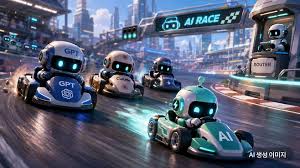
How AI Cost-Effectiveness Drives the Economy
Cost-efficiency has become a critical factor in the economy as AI technologies advance. Companies now prioritize AI models that deliver the best performance relative to their operating costs. This shift affects investment decisions and the allocation of resources across various sectors.
Impact on Business Operations
Businesses are adopting AI solutions that maximize output while minimizing expenses, reshaping operational models. This focus on the economy helps firms remain competitive in a rapidly evolving market.
Consumer Influence on the Economy
Consumers also benefit from the economy’s AI-driven cost-efficiency by accessing more affordable products and services. This dynamic encourages innovation and drives demand.
The Economy and Industry Adaptations to AI Trends
Industries must adjust to the evolving AI landscape to sustain economic growth. The economy’s response includes increased investment in AI research and development and strategic partnerships.
Industry Investment Shifts
Investment in AI technologies that offer the best economy in terms of cost and efficiency is rising. This trend influences sectors like manufacturing, finance, and communication.
Strategic Collaborations
Companies are collaborating to leverage AI cost-effectiveness, enhancing the economy by pooling resources and knowledge.
Economic Predictions Based on AI Developments
The economy’s future is closely tied to AI innovation and its cost-effectiveness. Analysts predict that those who capitalize on this trend will lead economic growth.
Growth Opportunities
The economy will see growth opportunities in sectors that integrate efficient AI technologies, driving productivity and profitability.
Challenges Ahead
However, the economy must also address challenges like workforce displacement and ethical concerns related to AI adoption.
For more details on the evolving AI landscape and its economic implications, check this related article.
Connecting the Economy with Broader Industry Trends
Understanding the economy requires looking at broader industry trends influenced by technological innovation. For example, the optical communication sector is evolving rapidly, reflecting the economy’s adaptation to new technologies.
Explore more about how technology impacts the economy and industries in our internal article on 7 Key Trends in Korea Optical Communication Industry in 2024.
Introduction
The rapid advancement of artificial intelligence (AI) is reshaping the global economy in unprecedented ways. From automation to data analysis, AI technologies are transforming how businesses operate. Understanding these changes is crucial for adapting to the evolving economic landscape.
1. AI and Job Market Transformation
AI is significantly impacting the job market by automating routine tasks. While some jobs are disappearing, new roles focused on AI development and maintenance are emerging. This shift requires workers to acquire new skills to remain relevant.
2. Increased Productivity and Efficiency
One of the most notable effects of AI on the economy is the boost in productivity. AI systems can analyze large data sets quickly, enabling faster decision-making. This efficiency helps companies reduce costs and increase output.
3. Economic Inequality Concerns
Despite its benefits, AI also raises concerns about economic inequality. High-skilled workers benefit more from AI technologies, while low-skilled workers may face job displacement. Addressing these disparities is critical for inclusive economic growth.
4. AI-Driven Innovation and New Markets
AI is a catalyst for innovation, creating new markets and industries. From autonomous vehicles to personalized healthcare, AI-driven products are opening fresh economic opportunities. These innovations contribute to overall economic expansion.
5. Global Competition and AI Leadership
The race for AI leadership is intensifying among nations, influencing global economic power dynamics. Countries investing heavily in AI research and development are poised to dominate future markets. This competition shapes international trade and economic alliances.
6. Regulatory Challenges and Economic Impact
Governments are grappling with how to regulate AI technologies effectively. Balancing innovation with ethical concerns affects economic policies worldwide. Proper regulations can foster a stable environment for AI-driven economic growth.
7. Future Outlook: Preparing for an AI-Driven Economy
Adapting to an AI-driven economy requires proactive measures from businesses and policymakers. Investing in education and workforce training is essential to harness AI’s potential. Embracing change will determine success in the evolving economic landscape.
The Role of Education in Shaping the Economy
Education plays a pivotal role in preparing the workforce for the AI era. As AI automates many tasks, the demand for advanced technical skills is rising. Schools and universities must adapt curricula to include AI literacy and digital skills.
Investing in continuous learning helps workers remain competitive in the changing economy. Lifelong education programs empower individuals to transition into emerging job roles. This approach supports a resilient and adaptable economic system.
AI’s Impact on Small and Medium Enterprises (SMEs)
Small and medium enterprises (SMEs) are increasingly leveraging AI to compete in the global economy. AI tools enable SMEs to optimize operations, enhance customer experiences, and innovate products. This democratization of AI technology levels the playing field.
However, SMEs face challenges such as limited resources and expertise in implementing AI solutions. Supportive policies and affordable AI platforms can help SMEs overcome these barriers. Strengthening SMEs contributes to a more diverse and robust economy.
Sustainability and the AI Economy
The integration of AI into the economy also presents opportunities for sustainability. AI-driven analytics help optimize energy consumption and reduce waste in various industries. This contributes to greener economic practices and environmental protection.
Furthermore, AI can assist in developing sustainable technologies and monitoring climate change impacts. By aligning economic growth with environmental goals, AI supports a sustainable future. This balance is essential for long-term economic stability.
Conclusion: The Economy’s Future in a Cost-Conscious AI World
The economy is clearly moving toward a model where cost-effectiveness in AI drives decision-making and growth. This approach benefits businesses and consumers by promoting efficiency and innovation. As industries adapt, the economy will continue to evolve, presenting both opportunities and challenges.
Staying informed about these economic shifts is essential for anyone interested in the future of technology and business.