Iran has recently been at the center of escalating military tensions following a series of aggressive incidents in the Persian Gulf. These developments have drawn international attention due to their potential impact on regional stability and global security. This article delves into the latest events involving Iran and analyzes the possible consequences for international relations.
- Iran’s military activity has intensified after recent maritime attacks.
- The U.S. has responded with targeted strikes against Iranian positions.
- Iran vows to take firm actions in response to U.S. operations.
- These events have significant implications for Middle East geopolitics.
Understanding Iran’s Role in Recent Military Tensions
Iran’s involvement in the recent escalation began with alleged attacks on commercial vessels in the strategic Strait of Hormuz. This region is crucial for global oil shipments, and any disruption there could have widespread economic consequences. Following these incidents, the United States launched airstrikes targeting Iranian-backed militia sites in Syria, in an effort to deter further aggression.
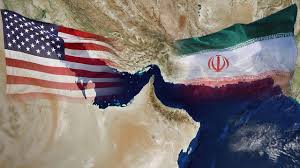
The Iranian government has condemned the U.S. military response, stating that it will take “firm and decisive” measures to protect its interests. This cycle of action and reaction has heightened fears of broader conflict in the region.
Key Events in Iran’s Military Escalation
Attack on Commercial Shipping
The tension began when several commercial vessels were reportedly targeted near the Strait of Hormuz, a vital chokepoint for international maritime traffic. Iran has been accused of orchestrating these attacks, though Tehran denies direct involvement. The maritime incidents have raised alarm among global powers about the security of energy supplies.
U.S. Military Response
In retaliation, the U.S. conducted airstrikes against Iranian-backed groups in Syria, aiming to send a strong message to Tehran. These strikes mark a significant escalation, as they represent a direct challenge to Iran’s regional influence. Washington’s actions underscore the seriousness with which it views the threat posed by Iran’s activities.
Iran’s Strategic Position and Global Impact
Iran’s strategic location and its control over the Strait of Hormuz give it considerable leverage in regional politics. The recent conflicts have demonstrated Tehran’s willingness to assert this power aggressively. The international community remains concerned about the potential for these tensions to spark a wider confrontation.
Moreover, the economic ramifications could be severe. Disruptions in oil transport through the Persian Gulf could lead to increased global energy prices, affecting markets worldwide. Understanding Iran’s military posture is therefore critical for anticipating future geopolitical shifts.
Analyzing Iran’s Future Actions and International Reactions
Potential Iranian Responses
Iran has declared its intent to respond decisively to the U.S. strikes, though the nature of these responses remains uncertain. Analysts suggest Tehran may increase support for proxy groups or engage in asymmetric warfare tactics to avoid direct confrontation while maintaining pressure.
Global Diplomatic Efforts
Diplomatic channels remain open, with various countries urging de-escalation. The international community is closely monitoring Iran’s moves, seeking to balance deterrence with dialogue. For more insights on current international challenges, see our article on 5 Key Facts About the Korean Olympic Committee’s Current Challenges.
For detailed reporting on the military strike and Iran’s response, refer to this related article.
Historical Context of Iran’s Military Posture
Understanding Iran’s recent military tensions requires a look into its historical military posture. For decades, Iran has maintained a strong defense strategy shaped by regional conflicts and international sanctions. This history influences its current actions and responses to perceived threats.
Since the 1979 revolution, Iran has prioritized self-reliance in military capabilities. This approach includes developing indigenous weapons systems and expanding its missile program. Such efforts are often viewed with concern by neighboring countries and global powers.
Impact of Regional Alliances on Iran’s Military Strategy
Iran’s military tensions cannot be separated from its regional alliances and rivalries. The country supports various non-state actors and militias across the Middle East, extending its influence in countries like Syria, Iraq, and Yemen. These alliances bolster Iran’s strategic depth but also provoke counteractions from opposing coalitions.
Moreover, Iran’s relationship with groups like Hezbollah and the Houthis complicates regional security dynamics. These alliances serve as leverage in Iran’s broader geopolitical strategy. They also contribute to the ongoing instability that fuels military tensions in the region.
Economic Sanctions and Their Effect on Iran’s Military Capabilities
International economic sanctions have played a significant role in shaping Iran’s military capabilities. Sanctions limit Iran’s access to foreign technology and financial resources, pushing the country to innovate domestically. Despite these restrictions, Iran continues to advance its missile and drone technologies.
The sanctions also impact Iran’s defense budget and procurement strategies. To counter these challenges, Iran has focused on asymmetric warfare tactics. This approach includes employing smaller, more agile forces and leveraging cyber warfare capabilities to offset conventional military disadvantages.
Conclusion: What Iran’s Military Tensions Mean for the Future
Iran remains a pivotal actor in Middle Eastern geopolitics. The recent military tensions underscore the fragile balance of power in the region and the risks of escalation. While Iran’s assertive posture challenges global stability, it also opens avenues for diplomatic engagement to prevent further conflict.
Monitoring Iran’s actions closely is essential for policymakers and analysts alike, as the outcomes will significantly influence regional security and international relations in the coming months.