Understanding the Korean Olympic Committee’s Role
The Korean Olympic Committee (KOC) plays a crucial role in promoting Olympic sports and representing South Korea in the international sporting community. Its responsibilities include selecting athletes for the Olympics, coordinating training programs, and ensuring compliance with international Olympic regulations. Recently, the KOC has been under scrutiny due to political controversies surrounding its leadership and governance.
The focus on the Korean Olympic Committee highlights the intersection of sports and politics in South Korea, as the organization navigates through internal and external pressures. Understanding these challenges is essential for anyone interested in South Korea’s sports administration and Olympic participation.
Key Takeaways
- The Korean Olympic Committee is facing leadership and governance controversies.
- Its role extends beyond sports to political and administrative challenges.
- Recent developments involve oversight from national regulatory bodies.
- Understanding these issues is vital for South Korea’s future in international sports.
Korean Olympic Committee: Recent Political Challenges
Leadership Controversies and Their Impact
Recent news has brought attention to the Korean Olympic Committee due to leadership disputes and questions about the tenure of key officials. These controversies have raised concerns about transparency and governance within the organization. The role of the KOC chairman and other executives has come under intense scrutiny, with debates over their decisions and management practices.
Government Oversight and Investigations
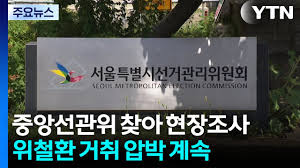
The National Assembly’s special committee on national affairs has expanded its investigations beyond the Olympic Committee to include the central election commission, signaling a broader governmental interest in oversight. This move reflects the interconnected nature of sports administration and political accountability in South Korea.
For more details on these developments, see the related article.
The Korean Olympic Committee’s Role in South Korea’s Sports Landscape
Supporting Athletes and Promoting Olympic Values
The Korean Olympic Committee is fundamental in nurturing athletic talent and preparing South Korean athletes for success on the world stage. It organizes training, secures funding, and fosters the Olympic spirit among participants. Despite current challenges, the KOC remains a pillar of the nation’s sports culture.
International Relations and Olympic Participation
As South Korea continues to build its reputation in international sports, the Korean Olympic Committee acts as the official liaison with the International Olympic Committee and other global sports bodies. Its effectiveness influences South Korea’s ability to host events and participate competitively.
Internal Governance and Future Prospects of the Korean Olympic Committee
Calls for Reform and Transparency
In light of ongoing controversies, there are increasing calls for reform within the Korean Olympic Committee. Advocates emphasize the need for transparent governance, ethical leadership, and stricter oversight to restore public trust and ensure the organization fulfills its mission effectively.
Potential Impact on South Korea’s Olympic Ambitions
The future of the Korean Olympic Committee will significantly affect South Korea’s ambitions in upcoming Olympic Games. Effective management can lead to better athlete support and international prestige, while unresolved issues may hamper progress. Monitoring these developments is essential for stakeholders and fans alike.
Explore more about South Korea’s sports dynamics in our post on 5 Key Insights on Hong Myung-bo Resignation in Korean Football.
Conclusion: Navigating Challenges Ahead for the Korean Olympic Committee
The Korean Olympic Committee is at a pivotal moment, balancing its traditional sports responsibilities with emerging political and governance challenges. As investigations and calls for reform continue, the KOC must adapt to maintain its vital role in South Korea’s sports ecosystem.
Understanding these developments provides valuable insights into how sports organizations operate within complex political environments. The coming months will be critical for the Korean Olympic Committee as it strives to uphold Olympic values and support South Korean athletes on the global stage.