Understanding Recent Voting Developments
Voting remains a fundamental pillar of democracy, but recent news highlights concerns surrounding the printing process of ballots. The focus keyword voting is crucial as we examine these developments and their potential impact.
- Official announcements now confirm 100% printing of ballots
- Controversy arose due to delays in printing updates
- Key figures have made public responses including expense returns
- Public trust and electoral transparency remain at the forefront
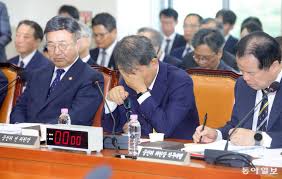
Why 100% Ballot Printing Matters in Voting
The announcement that ballots are now 100% printed marks a significant milestone for the electoral process. This ensures every voter will have a ballot, reducing the risk of disenfranchisement.
Impact on Election Integrity
Complete printing safeguards against supply shortages that could delay or invalidate voting in certain districts. It also reassures the public about the fairness and preparedness of the election administration.
Challenges Faced Before Full Printing
Before this update, incomplete printing raised concerns about transparency and logistical readiness. The delay in confirming full printing fueled public skepticism about the voting process.
Public Reactions and Official Responses on Voting Issues
Following the announcement on ballot printing, several public figures responded to the controversy.
Notable Responses
One official, noted for his transparency, decided to return travel expenses relating to his spouse’s business trips. This action was perceived as an effort to restore public confidence amid the voting issues.
Media Coverage and Public Opinion
Media outlets have closely followed these developments, emphasizing the importance of maintaining a trustworthy voting system. Public opinion remains divided but leans towards demanding more accountability.
For more details, check this related article covering the latest updates on voting controversies.
How Voting Transparency Can Be Improved
Transparency is key to a successful voting process. Authorities can adopt several measures to improve trust and clarity.
Implementing Robust Communication Strategies
Regular updates and clear communication can prevent misunderstandings and misinformation about voting procedures.
Leveraging Technology for Real-Time Monitoring
Using technology to track ballot printing and distribution helps ensure timely delivery and accountability.
Voting and Its Broader Impact on Society
The integrity of voting processes not only affects election outcomes but also influences public trust in governance.
Strengthening Democratic Foundations
Reliable voting systems empower citizens and promote active participation in democracy.
Encouraging Civic Engagement
When voters trust the process, they are more likely to engage and contribute to societal development.
For related insights on improving personal routines to support better decision-making, see our post on 7 Powerful Morning Routine Tips to Boost Your Day.
Understanding the Impact of Voting Machine Errors
Voting machine errors have raised concerns about the accuracy and reliability of election results. These errors can occur due to software glitches, hardware malfunctions, or human mistakes during the setup process. Such issues have the potential to undermine public trust in the voting system.
When errors happen, they may lead to miscounted votes or delays in reporting results. This can cause confusion and increase skepticism about the fairness of elections. Addressing these errors promptly and transparently is essential to maintaining confidence in the voting process.
The Role of Paper Ballots in Voting Security
Paper ballots are increasingly being recognized as a crucial component in securing the voting process. Unlike electronic-only systems, paper ballots provide a tangible record that can be audited and recounted if necessary. This helps ensure the accuracy of election outcomes.
Many experts advocate for the use of paper ballots alongside electronic voting machines. This hybrid approach allows voters to verify their selections and provides election officials with a reliable backup. Implementing paper ballots can reduce the risk of controversies related to voting machine errors.
How Voting Regulations Vary Across States
Voting regulations differ widely from state to state, affecting how votes are cast, counted, and verified. These variations can influence the prevalence of printing controversies and other voting-related issues. Understanding these differences is key to addressing the challenges in the voting system.
Some states require strict voter ID laws and use specific types of voting machines, while others have more flexible rules. These discrepancies can create inconsistencies in how votes are handled and reported. Harmonizing regulations or sharing best practices might help reduce voting controversies nationwide.
Conclusion: The Future of Voting Transparency
Voting continues to evolve with advancements in printing and process management. Ensuring 100% ballot printing is a critical step forward. Transparent communication and accountability will be essential to maintain public trust. As voters, staying informed and engaged helps safeguard the democratic process.